

WASHINGTON — U.S. President Donald Trump has escalated the growing trade dispute with Canada by threatening to restrict Montreal-based Bombardier Inc. from selling aircraft in the American market unless the aerospace manufacturer moves production onto U.S. soil.
In a series of posts on Truth Social, Trump targeted Bombardier—one of Canada's most prominent industrial companies and a leading global producer of business jets—arguing that foreign firms taking advantage of American buyers should be required to manufacture domestically.
"NO MORE SELLING BOMBARDIER IN THE UNITED STATES! Their products aren't good enough!" Trump wrote, alleging that over half of the company's revenue originates in the U.S. "If they want our Market, they must build here, and stop treating America like a 'piggybank'."
The statement introduces sharp uncertainty into North American aviation markets as Washington and Ottawa remain locked in a tense economic standoff following the breakdown of bilateral trade negotiations. In response to recent U.S. import levies, Canada implemented retaliatory tariffs covering approximately $20 billion in American goods, provoking renewed threats of executive action from the White House.
AN ESTABLISHED U.S. FOOTPRINT
Industry observers and lawmakers were quick to highlight that Bombardier already maintains an extensive operational and supply chain footprint across the United States.
According to company statements, Bombardier relies on approximately 2,800 American suppliers across 47 states, generating billions of dollars in economic activity annually. Key operations include:
- Wichita, Kansas: A primary U.S. hub housing flight-testing, specialized defense modifications, and customer service facilities employing over 1,000 workers.
- Component Manufacturing: Structural component production in Texas (including jet wings) and flight control assembly near Los Angeles, California.
- Major Suppliers: Integration of engines manufactured by Honeywell in Arizona and avionics built by Collins Aerospace in Iowa.
The threat drew swift reaction from Kansas Republican Senators Jerry Moran and Roger Marshall, who urged the administration to safeguard local jobs.
"I reached out to the Trump administration to make certain the President is aware of the significant contributions of Bombardier to Kansas," Moran said in a statement. Marshall echoed the concern, stating he had taken the issue directly to the Oval Office to protect the state’s workforce.
REGULATORY AND LEGAL TURBULENCE
Aviation analysts question the feasibility of enforcing a ban on Bombardier sales. Modern aircraft manufacturing is highly globalized, blurring the line between domestic and foreign-built airframes.
The friction also connects to broader regulatory disputes. Trump previously threatened action against Canadian aircraft following delays by Transport Canada in granting type certification to U.S.-built Gulfstream business jets—Bombardier’s primary market rival. Trump reiterated those complaints, claiming Ottawa had treated Gulfstream unfairly.
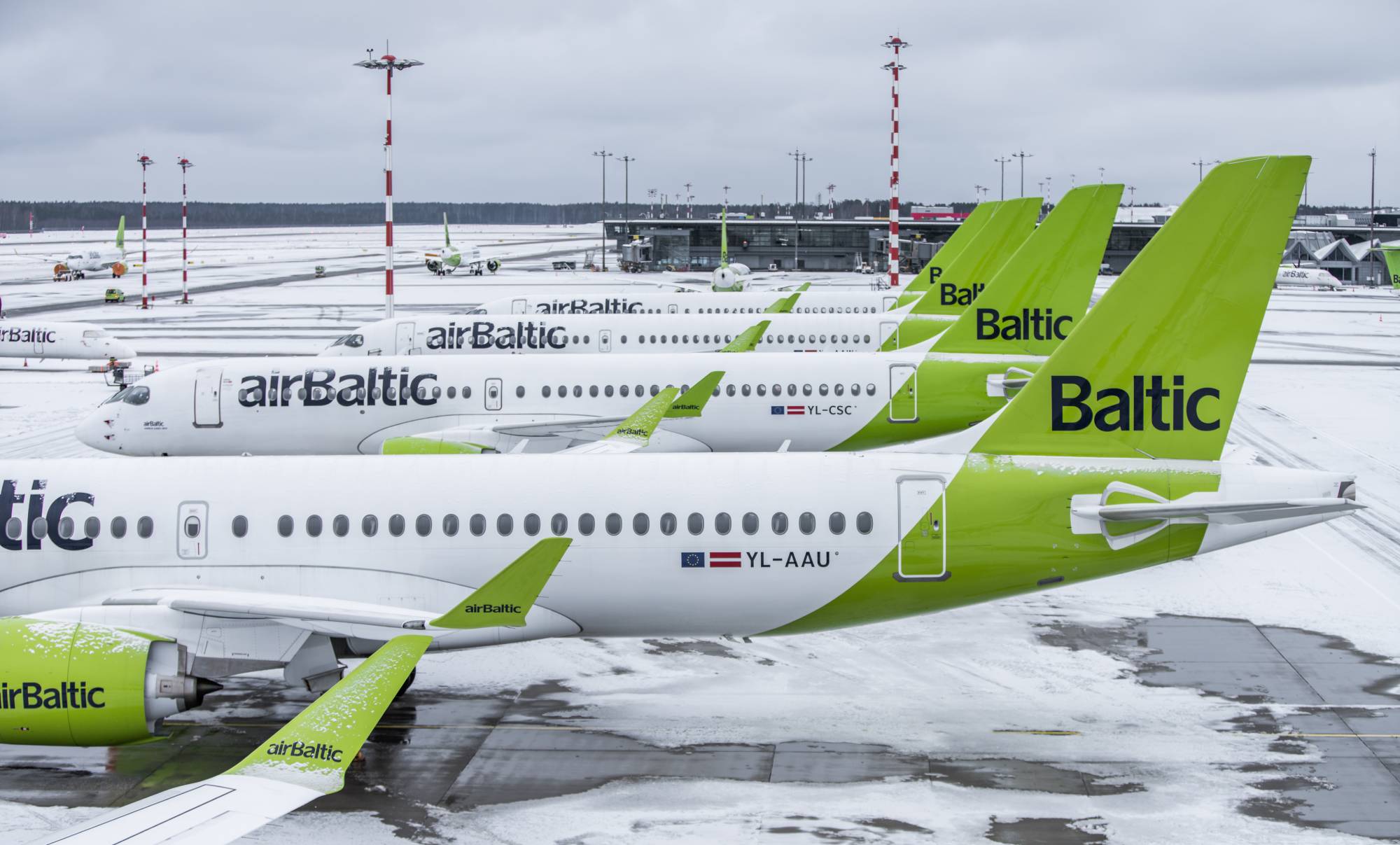
The confrontation echoes the 2017 dispute over Bombardier’s CSeries jet, when U.S. trade challenge attempts led Bombardier to partner with European plane maker Airbus. That partnership ultimately resulted in assembly operations for the renamed A220 being established in Mobile, Alabama.
INDUSTRY IMPACT
A formal restriction on Bombardier sales would carry consequences far beyond the manufacturer. Business jet operators, charter fleets, maintenance providers, and specialized defence programs rely heavily on Bombardier platforms.
Bombardier emphasized its commitment to U.S. partnerships in a statement, noting that the American aerospace sector remains a "clear winner on trade and exports" through cross-border integration.
Whether the administration intends to issue formal trade orders or is using the threat as leverage in ongoing economic negotiations remains unclear. However, the directive signals that aerospace supply chains have become a central front in U.S.-Canada trade relations


Facebook Comments