
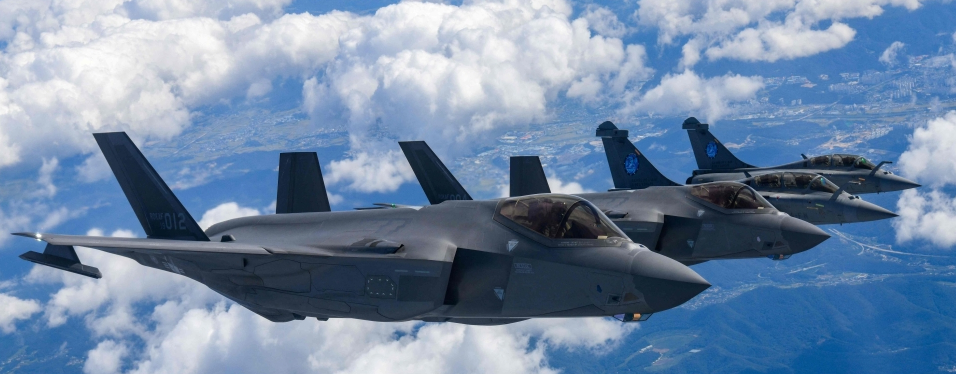
WASHINGTON — September 18, 2026 — The United States has approved a potential sale of up to 48 F-35A Lightning II fighter aircraft to Saudi Arabia in a deal estimated at $24.3 billion, marking a major step toward Riyadh acquiring the advanced American stealth fighter.
The U.S. State Department notified Congress of the proposed Foreign Military Sale on September 17. The package includes 48 F-35A aircraft, 49 Pratt & Whitney F135 engines, communications equipment, spare parts, training and logistical support
The approval does not mean the aircraft have been delivered or that the sale is finalized. Congress has a 30-day period to review the proposed transaction and could seek to block it. Prices, quantities and other terms could also change during negotiations.
The F-35A is the conventional takeoff and landing version of the F-35, a fifth-generation fighter designed around stealth, advanced sensors and networked operations. Saudi Arabia currently operates a fighter fleet that includes Boeing F-15s and Eurofighter Typhoons.
If completed, the agreement would make Saudi Arabia the first Arab country to operate the F-35. Israel is currently the only country in the Middle East operating the aircraft.
Concerns over regional security
The proposed sale has attracted attention because of U.S. requirements to preserve Israel's qualitative military edge in the Middle East. In its notification, the State Department said the proposed sale would not alter the military balance in the region.
The deal has also raised concerns in Washington about protecting sensitive F-35 technology from potential access by China, given Saudi Arabia's expanding relationship with Beijing. Some U.S. lawmakers have questioned whether adequate safeguards could be maintained.
The F-35 agreement follows years of Saudi efforts to obtain the aircraft. President Donald Trump had previously indicated that his administration would permit Saudi Arabia to purchase the fighters as part of broader U.S.-Saudi defense cooperation.
The State Department said the proposed sale would strengthen Saudi Arabia's ability to defend itself, improve interoperability with U.S. forces and support broader U.S. national-security objectives.
For now, the proposal moves into the congressional review process. A final agreement would depend on the outcome of that review and subsequent negotiations between Washington and Riyadh.




Facebook Comments