
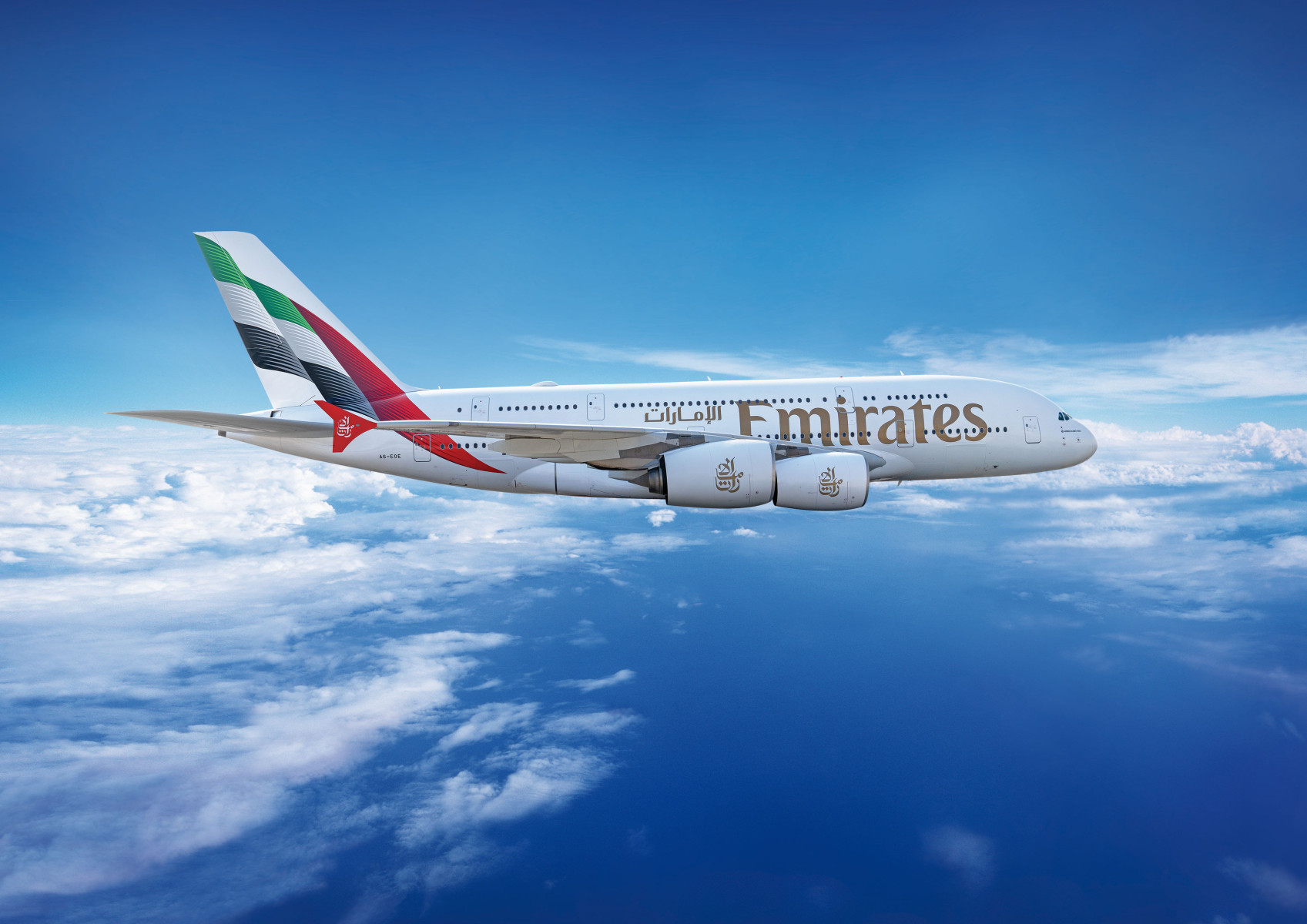
DUBAI, November 5, 2026 – The Emirates Group has reported a profit before tax of AED 4.1 billion (US$1.1 billion) for the first six months of its 2026–27 financial year, maintaining profitability despite significant operational disruptions caused by regional conflict and sharply rising fuel prices.
According to the Group's financial results, profit after tax stood at AED 3.6 billion (US$1 billion), representing a 66% decline compared with the same period last year. Group revenue also decreased by 12% to AED 66.2 billion (US$18 billion), compared with AED 75.4 billion (US$20.6 billion) in the previous year.
The Group recorded earnings before interest, taxes, depreciation and amortisation (EBITDA) of AED 12.5 billion (US$3.4 billion), down 41% year-on-year.
Despite the challenging operating environment, Emirates maintained strong customer demand, while its cargo business played a significant role in supporting overall revenue.
Emirates Airline Performance
Emirates Airline reported a profit before tax of AED 3.7 billion (US$1 billion), down 68% compared with the same period last year. Its revenue declined by 13% to AED 56.9 billion (US$15.5 billion).
The airline carried 21.8 million passengers between April 1 and September 30, 2026, representing a 22% decrease year-on-year. Passenger capacity, measured in Available Seat Kilometres (ASKM), declined by 17%, while the passenger seat factor dropped to 72%, compared with 79.5% in the corresponding period last year.
Regional airspace restrictions, temporary closures and changes in government travel advisories significantly affected the airline's operations and passenger travel patterns.
By September 30, Emirates had restored approximately 91% of its pre-disruption network, operating across 150 airports in 78 countries and territories.
Strong Cargo Performance Supports Revenue
Emirates SkyCargo delivered a particularly strong performance during the reporting period. Although cargo volumes declined slightly by 1% to 1.2 million tonnes, cargo revenue increased by 52%.
The increase was supported by reduced airfreight capacity in the region and greater demand for air cargo services amid disruptions to maritime transportation.
Emirates SkyCargo also strengthened its operations through the delivery of five new Boeing 777 freighters and the introduction of its first passenger-to-freighter converted aircraft. The cargo division expanded its network with new destinations, including Almaty and Zhengzhou.
dnata Also Reports Lower Profit
The Group's aviation services subsidiary, dnata, reported a profit before tax of AED 410 million (US$112 million), down 51% compared with the previous year.
Its revenue declined by 7% to AED 11 billion (US$3 billion), reflecting reduced business volumes in some of its UAE and UK operations.
Despite the challenges, dnata continued expanding its international operations through new airport handling agreements, cargo partnerships and investments in aviation infrastructure.
Fuel Costs and Regional Challenges
Higher fuel prices remained one of the biggest challenges for the Group. Global jet fuel prices doubled compared with the same period last year, putting considerable pressure on operating expenses and profitability.
Emirates reported that its fuel costs before hedging increased by 60%, while gains from its fuel price risk management strategy helped offset a significant portion of the additional expense.
The Group ended the first half of the financial year with cash reserves of AED 54.1 billion (US$14.7 billion) as of September 30, 2026.
Outlook
Commenting on the results, Sheikh Ahmed bin Saeed Al Maktoum, Chairman and Chief Executive of Emirates Airline and Group, said the first six months had been demanding, but the Group's business model and employees had demonstrated resilience amid unprecedented regional challenges and high fuel prices.
He also acknowledged the UAE government's efforts in coordinating the safe resumption of air transport activities following military developments across the Gulf region.
The Group said it would continue investing in fleet expansion, cabin upgrades, customer services and future operational capabilities while closely monitoring geopolitical developments and fuel prices.
Emirates Group expressed measured optimism for the second half of the 2026–27 financial year, highlighting its strong financial position and long-term strategy to navigate continued market uncertainty.
Sources: Emirates Group official announcement, November 5, 2026.


Facebook Comments