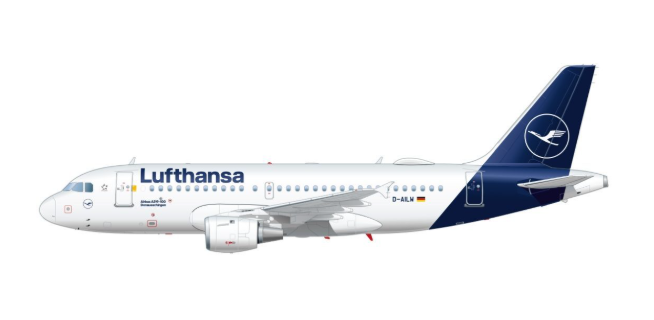
COLOGNE, Germany — Lufthansa Group has replaced its controversial “Green Fares” with a new product called “Impact Fares,” following legal and regulatory scrutiny over environmental claims made about the fare.
The Green Fare was introduced in 2023 as an option for passengers who wanted to contribute more toward reducing the environmental impact of their flights. Lufthansa promoted the product as supporting sustainable aviation fuel (SAF) and climate-protection projects.
However, a ruling by the Regional Court of Cologne in March 2025 challenged the way Lufthansa communicated the environmental benefits of the product. The court found that certain claims could give passengers the impression that purchasing a Green Fare could make their individual flight climate-neutral.
Court Challenges Lufthansa’s Environmental Claims
The legal dispute focused on Lufthansa’s claims surrounding emissions compensation and the contribution made through sustainable aviation fuel.
The court questioned whether Lufthansa could adequately demonstrate how emissions associated with an individual booking were calculated and how the airline determined the corresponding climate impact.
As a result, claims suggesting that passengers could make their journeys “climate-neutral” by purchasing a Green Fare came under scrutiny.
The ruling did not itself require Lufthansa to rename the product. Instead, Lufthansa subsequently changed the branding and environmental messaging as it responded to the judgment and increasingly strict rules governing environmental claims.
Green Fare Becomes Impact Fare
Lufthansa Group officially announced on October 23, 2026, that Green Fare would become Impact Fare.
The airline said the new name places greater emphasis on the passenger’s contribution to sustainability rather than suggesting that an individual flight itself becomes climate-neutral.
Under the new system, passengers choosing an Impact Fare support the additional use of SAF across the Lufthansa Group’s route network. They also contribute to selected climate-protection projects outside the company’s value chain.
Lufthansa says the SAF contribution is deployed within six months of departure.
For flights within Europe, the SAF component is based on 20% of estimated flight-related CO₂ emissions, while the remaining 80% supports climate-protection projects.
For intercontinental flights, the allocation is 10% for SAF and 90% for climate-protection projects.
More Than Five Million Passengers Have Used the Fare
Lufthansa Group said more than five million passengers had booked Green Fares before the product was renamed.
The Impact Fare remains available across Lufthansa Group airlines and can be booked in all travel classes. Depending on the booking and destination, customers may also receive additional Miles and Points as well as certain rebooking benefits.
Growing Scrutiny of Airline Greenwashing
The Lufthansa case highlights the increasing scrutiny airlines face when promoting sustainability initiatives.
Lufthansa has previously faced criticism over environmental advertising. In 2023, the UK's Advertising Standards Authority challenged an advertisement using the slogan “Connecting the world. Protecting its future,” saying consumers could interpret the message as an environmental claim.
Austrian Airlines, another Lufthansa Group carrier, also faced legal action over environmental claims concerning a flight advertised in connection with the use of sustainable aviation fuel.
The latest rebranding reflects a broader shift in the airline industry's approach to environmental marketing. As European rules become stricter, airlines are increasingly expected to provide specific and verifiable information rather than rely on broad terms such as “green” or “eco-friendly.”
For Lufthansa, the change from Green Fare to Impact Fare represents more than a simple name change. It marks an effort to make its sustainability messaging more precise while continuing to offer passengers an option to financially support SAF and climate-protection initiatives.


Facebook Comments