
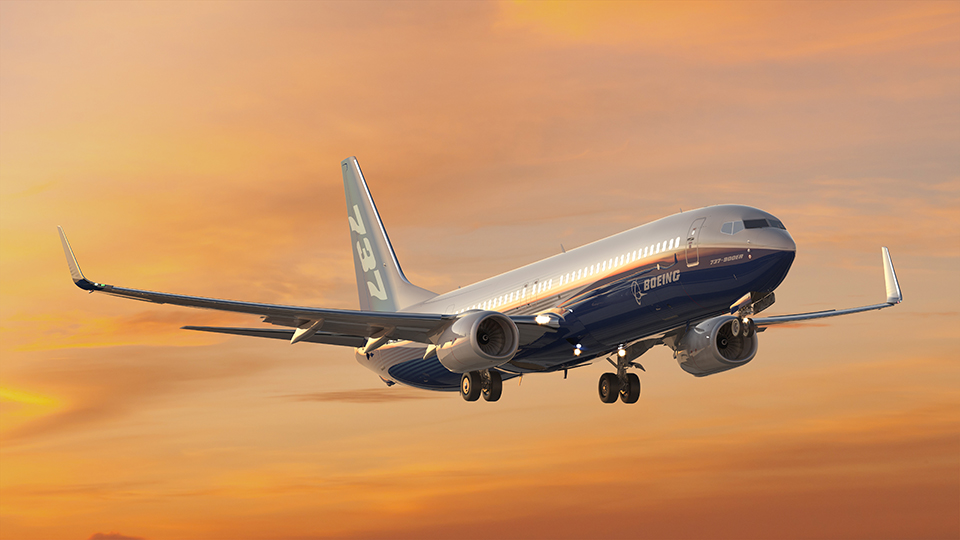
WASHINGTON — The Federal Aviation Administration (FAA) has issued a Notice of Proposed Rulemaking (NPRM) targeting potential passenger seat installation defects across select Boeing 737 MAX aircraft. The proposed Airworthiness Directive (AD) aims to eliminate safety risks associated with improperly secured seat assemblies during high-force flight events.
Scope of the Issue
The directive follows reports that certain track-mounted passenger seat assemblies were not correctly locked into place. Specifically, agency findings indicate that aft fitting shear plungers on affected seats failed to fully lower and engage with the floor tracks.
In conditions involving severe turbulence or high-impact emergency landings, unanchored seat assemblies risk detaching completely. This defect poses severe hazards, including direct physical injury to passengers and cabin crew, as well as aisle obstruction during emergency evacuations.
Fleet and Financial Impact
The proposed mandate applies to specific Boeing 737-8, 737-9, and 737-8200 variants, as identified in Boeing Special Attention Requirements Bulletin 737-25-1927 RB.
-
Fleet Size: At least 453 U.S.-registered aircraft are affected, alongside hundreds of international fleet units operated by major commercial carriers worldwide.
-
Compliance Actions: Operators will be required to conduct thorough visual and mechanical inspections of up to 69 seat assemblies per aircraft. Any improperly secured seat must be correctly reinstalled before the aircraft is cleared for operational service.
-
Estimated Costs: The FAA estimates inspection costs at approximately $85 per seat assembly in labor (based on a standard rate of one labor hour per assembly), with equal additional labor costs required for necessary corrective reinstalls.
Regulatory Timeline
The FAA is currently soliciting feedback from industry stakeholders, airlines, and the public. Comments on the proposed rule are open through September 10, 2026, after which the agency will review the submissions before issuing a final binding Airworthiness Directive.



Facebook Comments