

The global energy scenery has been driving into a state of severe instability in early 2026. A deepening conflict in the Middle East—the world’s primary track for oil and gas—has triggered a massive supply disruption, sending Brent crude prices soaring and placing an unprecedented financial burden on both consumers and the aviation industry.
The Energy Backbone Under Pressure
The Middle East remains the largest stakeholder in the global fuel supply chain, acting as the world's energy backbone. Following military escalations in late February 2026, the Strait of Hormuz, which facilitates roughly 20% of the world’s oil flow, has seen tanker traffic slow to a trickle. This chokehold on supply has caused Brent crude to surge within a whisker of $120 per barrel, a stunning jump from the $70–$80 range seen at the start of the year.
According to data from Global Petrol Prices, the impact at the pump has been felt worldwide, with retail fuel costs rising between 1% and 100% depending on the region. For instance, while some areas have seen moderate increases, countries like Cambodia and Vietnam have reported spikes as high as 50% to 68% in just a few weeks.
Impact on Aviation and Global Travel
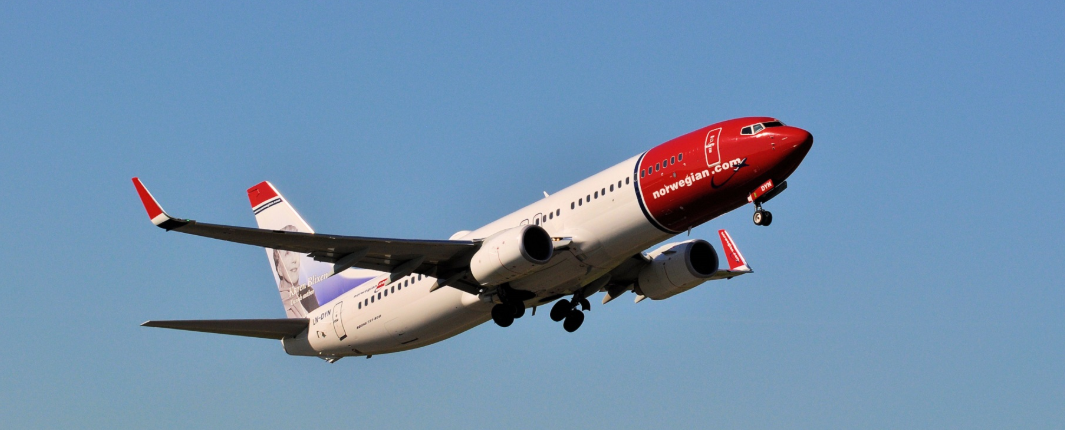
This surge is not limited to road transport the aviation sector is facing a massive cost shock. Since jet fuel typically accounts for 25% to 40% of an airline's operating expenses, the sudden spike in Aviation Turbine Fuel (ATF) has forced carriers to take drastic measures. Major airlines, including Air India, IndiGo, and Cathay Pacific, have recently announced the reintroduction or increase of fuel surcharges to maintain solvency. In some cases, surcharges on long-haul routes have doubled, adding hundreds of dollars to a single booking.
For the global traveller, the situation has created a "double victim" scenario. Passengers were already grappling with high base airfares due to post-pandemic demand and aircraft shortages; now, they must also absorb these aggressive fuel surcharges. As the conflict continues to disrupt major air corridors and drive up insurance costs, the dream of affordable international travel in 2026 is rapidly fading, leaving passengers to pay the price for a crisis far beyond their control.
written by : Mausham Bhandari



Facebook Comments