
February 26, 2026
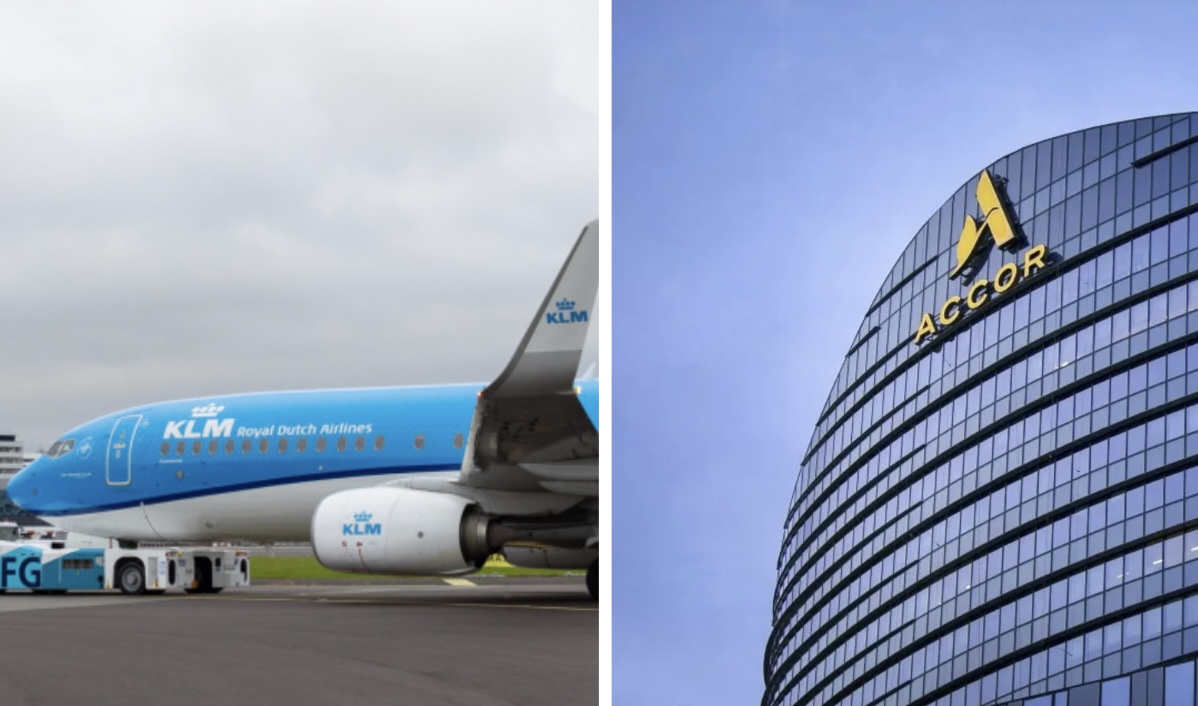
European travel giants Accor and Air France‑KLM are set to pay higher interest on portions of their debt after failing to meet emissions reduction targets tied to sustainability-linked bonds (SLBs), according to a report by Skift.
The development highlights growing financial consequences for companies that fall short of climate commitments embedded in modern financing structures.
Sustainability Targets Missed
Both companies had issued sustainability-linked bonds in recent years, pledging to reduce greenhouse gas emissions against pre-pandemic baselines. These bonds include contractual clauses that increase interest payments if environmental targets are not achieved.
Accor, one of the world’s largest hotel operators, failed to meet its 2025 emissions reduction benchmarks. As a result, the company will face a step-up in interest payments on approximately €700 million worth of bonds. The penalty is expected to add around €1.75 million annually in additional costs.
Meanwhile, Air France-KLM missed its emissions intensity targets linked to roughly €1 billion in sustainability-linked debt. The Franco-Dutch airline group estimates the higher coupon payments and related costs could total about €7.5 million.
Operational and Industry Challenges
Both companies cited operational headwinds and structural challenges.
For Accor, expansion into higher-growth markets with comparatively carbon-intensive energy grids impacted its ability to meet reduction goals. The hospitality sector also continues to face supply chain pressures affecting energy-efficient upgrades and retrofits.
Air France-KLM, on the other hand, pointed to aircraft delivery delays, engine reliability issues, geopolitical airspace restrictions, and operational inefficiencies that increased fuel consumption. Despite fleet modernization efforts and investments in sustainable aviation fuel (SAF), the airline was unable to meet its pre-set emissions intensity thresholds.
A Test Case for Sustainable Finance
The financial impact remains manageable for both groups relative to their overall balance sheets. However, the situation serves as a clear signal that sustainability-linked finance carries enforceable consequences.
Unlike traditional green bonds — where funds must be allocated to environmental projects — SLBs link borrowing costs directly to performance metrics. Missing targets automatically triggers financial penalties, reinforcing accountability in corporate climate strategies.
For the aviation and hospitality sectors, this development underscores three key trends:
• Investors are increasingly demanding measurable and time-bound environmental commitments.
• Sustainability-linked instruments are shifting from symbolic pledges to performance-driven mechanisms.
• Climate risk is becoming directly integrated into corporate cost of capital.
Broader Implications for Aviation
The aviation industry remains under mounting pressure to decarbonize through fleet renewal, operational efficiencies, and sustainable aviation fuel adoption. However, structural constraints — including limited SAF supply and high transition costs — continue to challenge airlines globally.
The case of Air France-KLM demonstrates how external disruptions can materially affect emissions performance, even when transition plans are in place.
As more travel companies tap into ESG-linked financing, this episode may lead to more conservative target-setting, stronger verification standards, and tighter risk pricing from lenders.





Facebook Comments